How to Plan a Destination Wedding: The Complete Step-by-Step Guide
A clear, step-by-step guide to planning a destination wedding without the overwhelm. From choosing the right location and venue to managing guests, vendors, and timelines, this guide helps you avoid common mistakes and create a smooth, memorable wedding experience.
Planning a destination wedding is exciting—but it also comes with challenges most couples don’t expect, from coordinating vendors remotely to managing timelines and guest travel.
At Silver Oaks Estate, we’ve hosted over 441 weddings across 11 years, so we’ve seen exactly what works and what creates stress. Based on that experience, we created this guide to help couples plan their destination wedding with clarity, avoid common pitfalls, and move through the process with ease.
This guide breaks the process into simple steps so you can plan your destination wedding with clarity and confidence.
Step 1: Define Your Vision and Budget
Start with clarity. Your vision guides every decision that comes next.
Ask yourselves:
Do you want a coastal, countryside, or estate-style wedding?
What atmosphere are you aiming for?
How many guests will you invite?
Then set a realistic budget. Destination weddings often shift priorities:
Natural settings reduce décor needs
Travel and accommodations become a bigger focus
Break it into:
Venue + catering
Travel + lodging
Vendors
Guest experience
Clear structure prevents overspending later.
Step 2: Choose the Right Destination
Your destination shapes the entire experience.
Popular destination styles:
Coastal weddings with scenic views
Mountain retreats surrounded by nature
Estate venues offering privacy and elegance
Key factors to consider:
Guest accessibility
Seasonal weather
Local regulations
Accommodation options
A beautiful location matters—but accessibility ensures guests can actually attend.
Step 3: Select a Venue That Simplifies Planning
The venue you choose shapes the overall feel of your wedding experience.
Look for:
On-site coordination
Trusted vendor networks
Ceremony and reception in one place
Weather backup options
For example, couples who choose a full-service estate venue often reduce planning time by 30–40%, since catering, coordination, and design are handled in one place—resulting in less stress, fewer moving parts, and a more cohesive wedding experience.
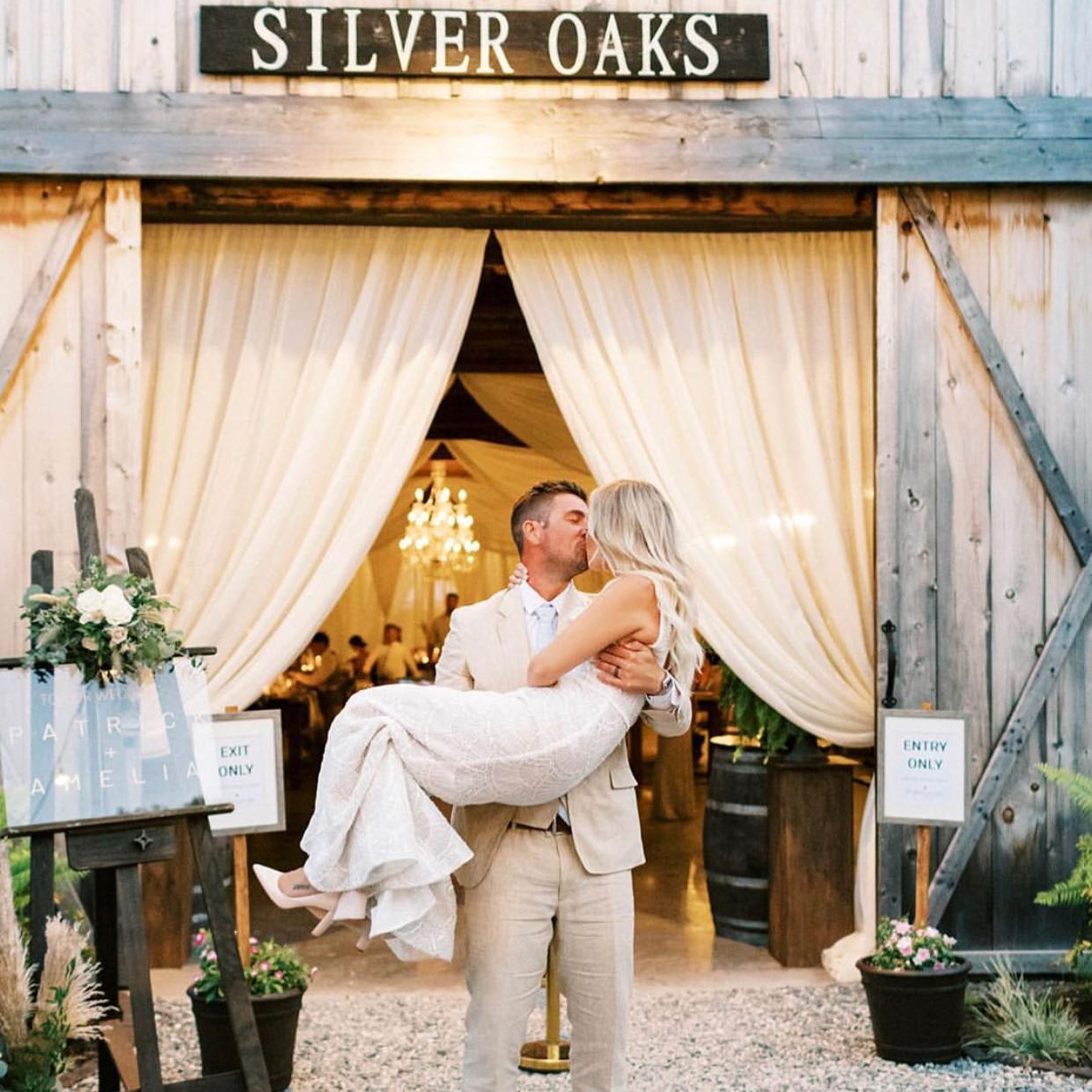
Every detail at Silver Oaks is thoughtfully crafted to ensure your wedding is "Instagram-ready" from the first kiss to the grand exit. [Click here to view our wedding venue.]
Step 4: Set Your Date Strategically
Timing affects cost, availability, and attendance.
Keep in mind:
Peak seasons increase travel costs
Off-season dates offer flexibility
Holidays may reduce guest availability
Send save-the-dates 8–12 months in advance.
Step 5: Build a Thoughtful Guest List
Destination weddings tend to be smaller and more personal, which is often a real advantage.
Focus on:
Close family and friends
Guests likely to travel
Creating meaningful shared experiences
Smaller guest lists often lead to more personal celebrations.
Step 6: Send Save-the-Dates Early
Early communication is essential.
Include:
Destination details
Travel guidance
Accommodation options
A wedding website helps keep everything organized.
Step 7: Arrange Travel and Accommodations
Make attendance easy for guests.
Provide:
Hotel recommendations
Transportation options
Clear travel instructions
Simple logistics improve the guest experience significantly.
Step 8: Work with Local Vendors or Venue Recommendations
Local vendors reduce complexity and improve efficiency.
Benefits:
Familiarity with the venue
Lower travel costs
Easier coordination
Experienced venues often provide trusted vendor lists to streamline planning.
Step 9: Plan the Full Wedding Experience
A destination wedding goes beyond a single event—it becomes an entire experience.
Consider:
Welcome gatherings
Local activities
Post-wedding brunch
These moments create deeper memories for everyone involved.
Step 10: Prepare for the Unexpected
Flexibility is essential.
Always plan for:
Weather changes
Travel delays
Vendor adjustments
Experienced venues typically have backup systems already in place.
A destination wedding doesn’t need to feel complicated. With a clear plan and the right venue, the whole process becomes easier, more enjoyable, and much more memorable.
Experience matters—and choosing a venue that has successfully managed hundreds of weddings ensures your planning process is guided, not guessed.
Take the Next Step
Ready to plan your destination wedding with confidence?